





Product
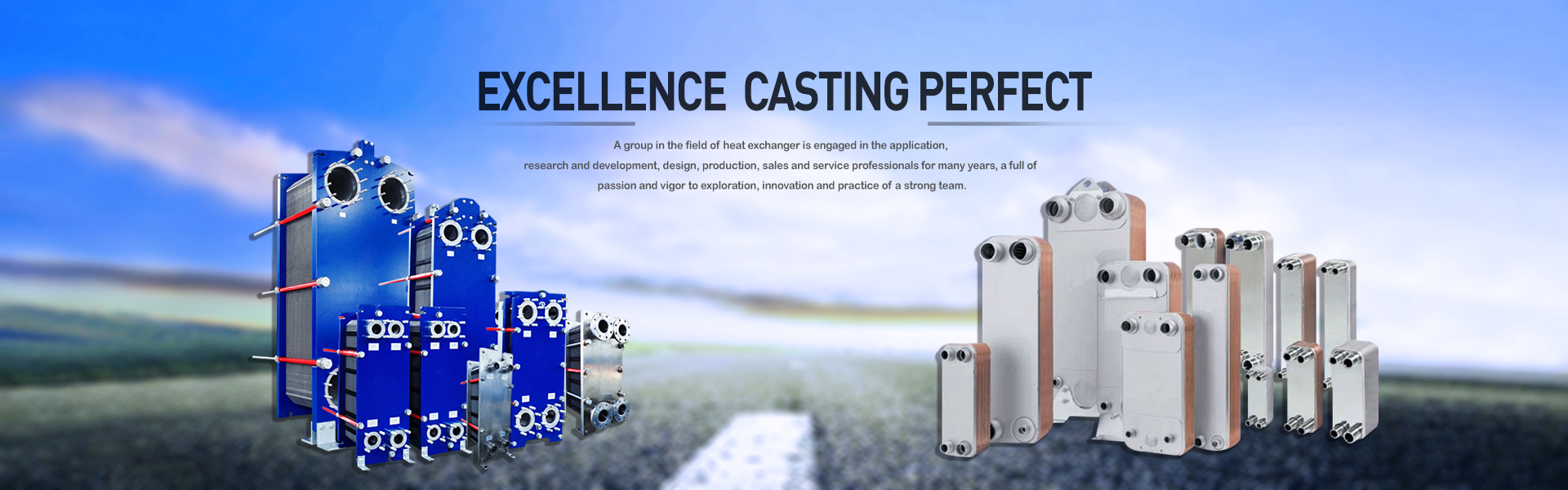
- Detachable plate heat exchanger
- Domestic plate heat exchanger seal gasket
- Semi welded plate heat exchanger
- Brazed plate heat exchanger
- Welded plate heat exchanger
- Detachable frame
- Heat recovery / heat exchange unit
- Plate heat exchanger hydraulic press
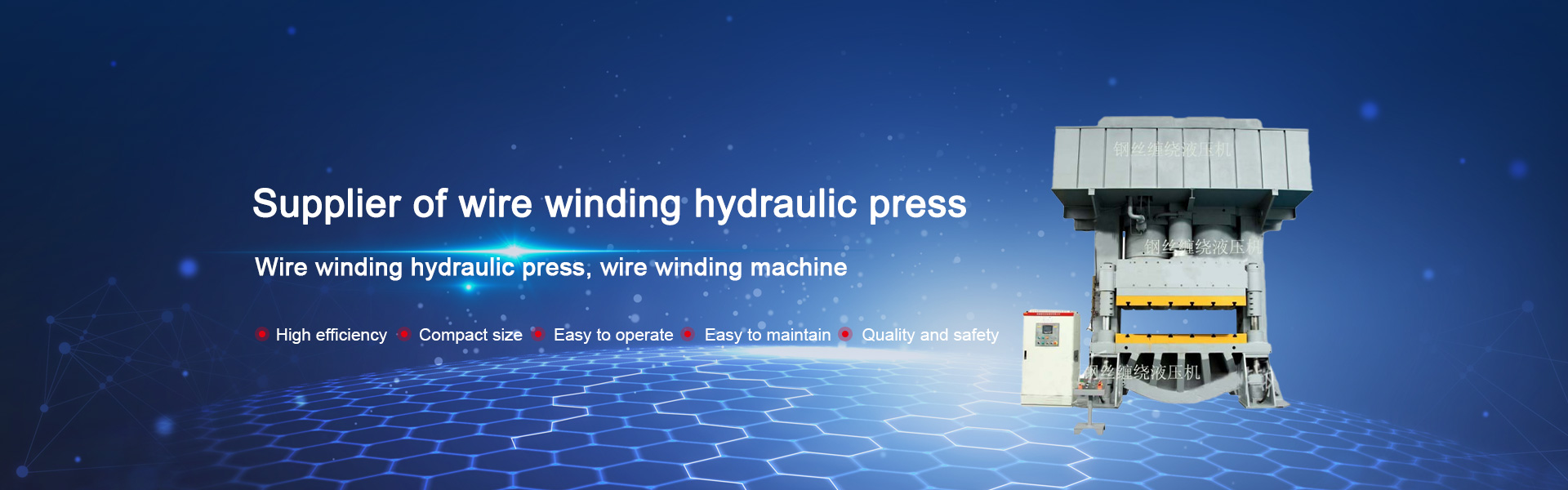
- Non standard customized steel wire winding hydraulic press
- Steel wire winding hydraulic bottoming machine for cookware
- Wire winding machine
- Wire winding for external processing
- Ultra high pressure hydraulic press
- Ultra high pressure hydraulic valve
- Ultra high pressure oil cylinder
Hot news
Ultra high pressure hydraulic valve
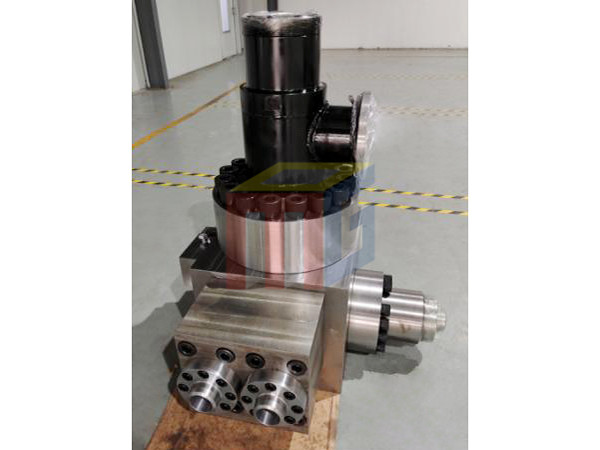
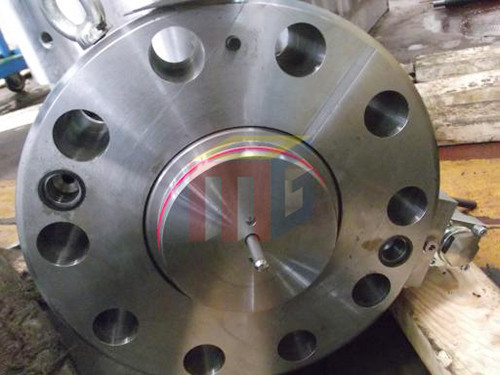
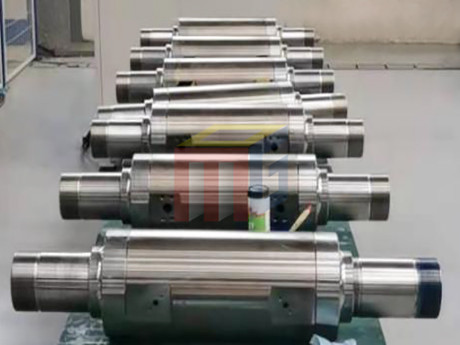
In the maintenance process of ultra-high pressure hydraulic valves, disassembling and cleaning the valves is the first step. In the actual use of hydraulic equipment, oil pollution can cause oil stains to settle, or there may be some granular impurities in the hydraulic oil, which can cause faults in the ultra-high pressure hydraulic valve. Usually, these faults can be eliminated after disassembly and cleaning, so that the ultra-high pressure hydraulic valve can restore its function. For the disassembly and cleaning of ultra-high pressure hydraulic valves, it mainly includes the following five aspects:
1. Disassemble. For ultra-high pressure hydraulic valves, although most of their components are connected by bolts, they are not disassembled during design. If they are forcibly disassembled due to a lack of specialized equipment or technical expertise, the result may be damage to the ultra-high pressure hydraulic valve. Therefore, before dismantling, maintenance personnel should have a good understanding of the structure of the ultra-high pressure hydraulic valve and the connection methods between each component. During the dismantling process, the positional relationships between different components should be recorded.
2. Check and clean. Inspect the valve body, valve core, and other parts to observe the deposition of dirt. On the basis of not causing damage to the working surface, use a brush, cotton yarn, and non-metallic scraper to remove concentrated dirt.
3. Rough washing. Place the valve core and valve body on the cleaning box tray, heat and soak them, introduce compressed air into the bottom of the cleaning tank, and use the stirring effect generated by bubbles to clean away residual dirt. Ultrasonic cleaning can be performed if conditions permit.
4. Fine tuned. First, perform high-pressure positioning cleaning with cleaning solution, and then dry with hot air. If the enterprise has the conditions, it can choose existing fresheners, and in some special occasions, organic cleaning agents can also be used, such as gasoline and diesel.
5. Assembly. Assemble according to the schematic diagram of the ultra-high pressure hydraulic valve or the assembly relationship of the parts recorded during disassembly. During the assembly process, care should be taken to prevent damage to the parts. For some existing sealing materials, they are easily damaged during the actual disassembly process, so they should be replaced during assembly.
1. Disassemble. For ultra-high pressure hydraulic valves, although most of their components are connected by bolts, they are not disassembled during design. If they are forcibly disassembled due to a lack of specialized equipment or technical expertise, the result may be damage to the ultra-high pressure hydraulic valve. Therefore, before dismantling, maintenance personnel should have a good understanding of the structure of the ultra-high pressure hydraulic valve and the connection methods between each component. During the dismantling process, the positional relationships between different components should be recorded.
2. Check and clean. Inspect the valve body, valve core, and other parts to observe the deposition of dirt. On the basis of not causing damage to the working surface, use a brush, cotton yarn, and non-metallic scraper to remove concentrated dirt.
3. Rough washing. Place the valve core and valve body on the cleaning box tray, heat and soak them, introduce compressed air into the bottom of the cleaning tank, and use the stirring effect generated by bubbles to clean away residual dirt. Ultrasonic cleaning can be performed if conditions permit.
4. Fine tuned. First, perform high-pressure positioning cleaning with cleaning solution, and then dry with hot air. If the enterprise has the conditions, it can choose existing fresheners, and in some special occasions, organic cleaning agents can also be used, such as gasoline and diesel.
5. Assembly. Assemble according to the schematic diagram of the ultra-high pressure hydraulic valve or the assembly relationship of the parts recorded during disassembly. During the assembly process, care should be taken to prevent damage to the parts. For some existing sealing materials, they are easily damaged during the actual disassembly process, so they should be replaced during assembly.





 蘇公網安備32028102001776